Children’s Immunization: Facts vs. Myths
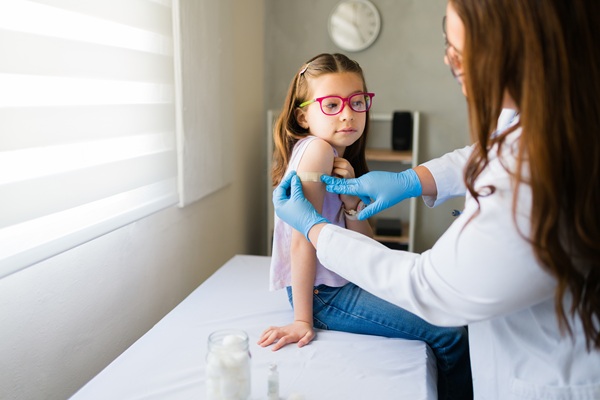
Children's immunization has become one of the most discussed health topics between parents and pediatricians. While children's immunization protects large communities from serious yet preventable diseases, misconceptions continue to circulate, creating confusion and fear about the typical vaccine administration schedule. Understanding the truth behind common myths can help caregivers ensure that the children in their lives receive the protection they need against infectious diseases.
The purpose of children's immunization
Immunizations train the immune system to recognize and fight specific infections. Vaccines stimulate the body to produce antibodies without causing the illness itself. As a result, vaccinated children are significantly less likely to develop diseases such as:
- Chickenpox
- Diphtheria
- Polio
- Measles
- Mumps
- Whooping cough
- Hepatitis A
- Hepatitis B
- Rubella
- Tetanus
This prevention not only safeguards the child's health but also contributes to community-wide protection, also known as herd immunity.
Myths about children's immunization
Myth 1: Vaccines cause autism
One of the most persistent myths about vaccines is that they cause autism, a belief stemming from a discredited 1998 study on the measles-mumps-rubella (MMR) vaccine. This Lancet-published study examined 12 children, selectively including those whose parents reported autism following vaccination. Subsequent large-scale epidemiological studies conducted over the past 27 years, since the original study was published, have repeatedly found no link between the MMR vaccine and autism, examining both the active ingredients and the frequency of doses. Overall, a total of 16 well-conducted studies across various countries have confirmed these findings, ruling out any possible connection.
Myth 2. Natural immunity is better than artificial protection
Some people believe that contracting a disease naturally provides stronger immunity than vaccination. While it is true that surviving certain infections can result in immunity, this approach carries serious risks. Diseases such as measles and polio can lead to severe complications, lifelong disabilities, or death. Fortunately, vaccination offers protection without exposing children to these life-threatening risks. The benefits of immunization far outweigh the risks associated with natural infection.
Myth 3. Too many vaccines overwhelm the child's immune system
Many parents worry that the recommended vaccine schedule includes too many immunizations in a short time. However, the immune system can handle multiple vaccines at once without becoming overloaded. Infants and children encounter countless antigens daily through food, air, and the environment. The antigens in vaccines represent only a small fraction of these daily exposures.
Myth 4. Vaccines are not tested enough
Before approval, vaccines are tested extensively for safety and effectiveness by regulated health agencies. This process involves laboratory research, clinical trials, and ongoing monitoring once a vaccine becomes available to the public. Regulatory agencies evaluate the data to ensure that vaccines meet strict safety standards. Parents and pediatric health professionals can rely on this system to protect children's safety and health.
Myth 5. Herd immunity is not beneficial
Children's immunization not only shields the child but also protects those who cannot be vaccinated, such as newborns, older adults, and individuals with weakened immune systems. When a sufficient number of people in a specific area are vaccinated, infectious diseases have fewer opportunities to spread. This community protection has led to the near-elimination of illnesses that once caused widespread outbreaks, such as polio and measles.
Learn more about children's immunization at our Zachary practice
The TKZ Pediatrics team recognizes that there is a significant amount of misinformation and disinformation surrounding children's immunization. However, we are here to empower you with the facts you need to protect your children's health. Call our Zachary practice to learn more about our services or to schedule your child's next appointment.
Request an appointment here: https://www.tkzpediatrics.com or call TKZ Pediatrics at (225) 420-1549 for an appointment in our Downey office.
Check out what others are saying about our services on Yelp: Children's Immunization in Zachary, LA.
Related Posts
Pediatric vaccines protect children against many serious diseases by helping the immune system recognize and fight harmful viruses and bacteria. Vaccinations begin during infancy and continue throughout childhood and adolescence to protect children as they grow. Pediatricians recommend following the immunization schedule, which remains one of the most effective ways to support lifelong health.A child's…
Choosing a Pediatrician helps families establish ongoing medical care for a child’s constantly changing health needs. From newborn visits to adolescent checkups, the pediatrician monitors growth, development, and health to provide effective preventive care. Finding a provider who matches the family’s priorities can make routine visits and unexpected concerns easier to manage. A thoughtful search…
Discovering that a child requires stitches after an injury can cause anxiety for any parent. Fortunately, understanding suture removal for kids can help families feel prepared for the follow-up appointment. Knowing what to expect during this brief visit helps parents reassure their children and support proper healing. Here are three tips to ensure a smooth…
A children's doctor, or pediatrician, often suggests a blood test to get a clearer picture of what is happening inside a little one's body during a routine checkup. While most kids do not exactly line up for a needle poke, these tests are quick and provide a wealth of useful information that a physical exam…