What Parents Need to Know About Suture Removal For Kids
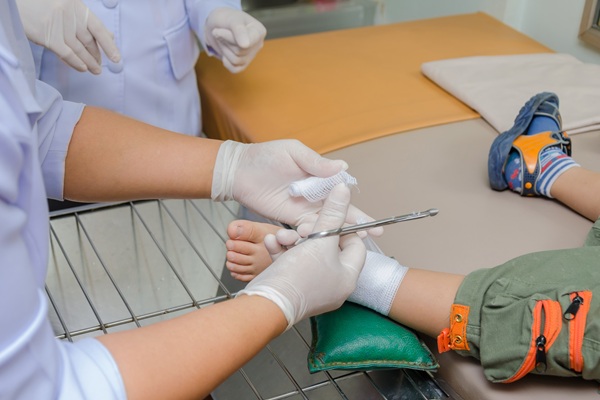
Discovering that a child requires stitches after an injury can cause anxiety for any parent. Fortunately, understanding suture removal for kids can help families feel prepared for the follow-up appointment. Knowing what to expect during this brief visit helps parents reassure their children and support proper healing. Here are three tips to ensure a smooth process.
1. Timeline for removing stitches
The amount of time stitches must remain in place depends largely on the location and depth of the wound. A pediatrician evaluates the laceration site to determine the optimal day for removal. Taking them out too early can cause the wound to reopen, while leaving them in too long increases the risk of tissue irritation or scarring.
For most minor lacerations of facial or body tissues, the window typically ranges from five to 10 days. The pediatrician and their team monitor the progression of the skin closure before proceeding with the removal. Parents or the respective caregivers must follow the recommended schedule to ensure the underlying tissues have stabilized adequately.
2. Preparing a child for the appointment
Helping a young patient understand what will occur during the visit lowers behavioral anxiety and encourages cooperation. Parents should use simple, neutral terminology to explain that the pediatrician will lift and snip the threads. Emphasizing that the process involves no needles or injections helps alleviate common medical fears. Here is what usually works:
- Explain the sensation: Describe the process as a slight tugging or tickling feeling rather than discomfort.
- Practice stillness: Encourage the child to remain completely still, like a statue, for a few moments.
- Bring a distraction: Packing a favorite handheld toy or book helps redirect the child's attention during the brief session.
Providing this structural guidance beforehand can help the child to feel more secure when entering the treatment room.
3. The step-by-step removal process
The actual suture removal for kids is straightforward and typically takes only a few minutes. The pediatrician begins by cleansing the healed wound area with an antiseptic solution to remove any dry fluid or debris. This step ensures a clear view of the knots and individual loops of thread.
Using sterile instruments, the pediatrician then lifts the knot of each stitch gently with tweezers. Next, they use a small pair of specialized medical scissors to cut the thread just beneath the skin. The pediatrician then pulls the remaining thread through the tissue, minimizing friction against the healing scar.
Once they remove all the material, the pediatrician cleans the area again to ensure no fragments remain. They inspect the entire length of the wound to verify that the edges remain firmly closed. In some cases, adhesive skin closure strips are applied over the line to provide temporary support.
Schedule your child's appointment today
Properly managing the final stages of wound care ensures the skin heals with minimal long-term marking. Following the above tips and any other specific instructions from the pediatrician for suture removal for kids helps ensure complete recovery and a return to regular daily activities. For more information or to schedule an appointment, call our office.
To schedule a consultation, please request an appointment on our website at https://www.tkzpediatrics.com or call TKZ Pediatrics at (225) 420-1549 to arrange an appointment at our Zachary office.
Check out what others are saying about our services on Yelp: Read our Yelp reviews.
Related Posts
Choosing a Pediatrician helps families establish ongoing medical care for a child’s constantly changing health needs. From newborn visits to adolescent checkups, the pediatrician monitors growth, development, and health to provide effective preventive care. Finding a provider who matches the family’s priorities can make routine visits and unexpected concerns easier to manage. A thoughtful search…
A children's doctor, or pediatrician, often suggests a blood test to get a clearer picture of what is happening inside a little one's body during a routine checkup. While most kids do not exactly line up for a needle poke, these tests are quick and provide a wealth of useful information that a physical exam…
When treating children's obesity, pediatricians look at more than just a number on a scale. They check how a child grows, what they eat, and their sleeping and exercise habits. The pediatrician uses this information to develop a family-centered plan to help the child reach a healthier weight without feeling ashamed about their body. With…
Navigating newborn care requires a blend of intuition and professional guidance from a trusted pediatrician to ensure a healthy transition home for both baby and parents. Those initial weeks often feel like a whirlwind of new sensations, questions, and steep learning curves as families adjust to a fresh routine. Our pediatrician acts as a steady…