A Guide to Pediatric Vaccines
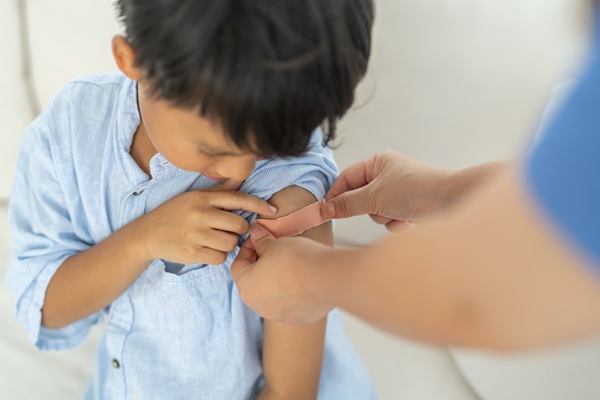
Pediatric vaccines protect children against many serious diseases by helping the immune system recognize and fight harmful viruses and bacteria. Vaccinations begin during infancy and continue throughout childhood and adolescence to protect children as they grow. Pediatricians recommend following the immunization schedule, which remains one of the most effective ways to support lifelong health.
Why pediatric vaccines are important
A child's immune system continues developing throughout their early years. During this time, children encounter new germs at home, school, daycare, and other public settings. Pediatric vaccines prepare the immune system to recognize specific diseases before natural exposure occurs, allowing the body to respond more effectively if it encounters those germs in the future. They also help reduce the spread of contagious illnesses within the community.
When more children receive recommended immunizations, infants, older adults, and individuals with weakened immune systems receive additional protection because diseases have fewer opportunities to spread.
Vaccines children receive
The childhood immunization schedule includes vaccines that protect against diseases such as:
- Measles
- Mumps
- Rubella
- Polio
- Whooping cough
- Hepatitis
- Chickenpox
- Meningitis
The pediatrician recommends each vaccine at specific ages based on when it provides the greatest protection and how a child's immune system develops. Although receiving several vaccines throughout childhood may seem overwhelming, the schedule is carefully designed using extensive scientific research and ongoing safety monitoring. Keeping children on schedule helps protect them at the ages when they are most vulnerable to certain illnesses.
What to expect during a pediatric vaccine visit
Many vaccination appointments are brief and become part of a routine wellness visit. Before administering pediatric vaccines, the pediatrician reviews the child's medical history, answers questions, and confirms that each recommended vaccine is appropriate. Parents also receive information about the benefits of each immunization and any expected side effects.
After vaccination, children may experience mild soreness at the injection site, slight swelling, or a low-grade fever. These temporary reactions often resolve within a day or two and generally indicate that the immune system is responding appropriately. Serious reactions are uncommon, but parents should contact the pediatrician if they have concerns after the visit.
Keeping vaccinations up to date
Parents can support their child's health by keeping accurate immunization records and attending regular well-child visits. If a child misses a scheduled vaccine, a pediatrician can develop a catch-up schedule that safely restores protection without restarting the entire series. Staying current with recommended immunizations also helps schools, childcare programs, and extracurricular activities meet vaccination requirements.
Further, open communication with the pediatrician allows families to make informed decisions throughout each stage of childhood. Discussing questions before or during appointments helps parents better understand the purpose of pediatric vaccines and the protection they provide.
Schedule your child's appointment
Pediatric vaccines remain one of the safest and most effective tools for preventing serious childhood illnesses. Receiving recommended immunizations on schedule helps protect children while supporting the health of families and communities. Regular well-child visits provide an opportunity to review vaccination needs and keep each child on track for healthy development. Call our office for more information or to schedule a well-child visit.
Request an appointment here: https://www.tkzpediatrics.com or call TKZ Pediatrics at (225) 420-1549 for an appointment in our Zachary office.
Check out what others are saying about our services on Yelp: Pediatric Vaccines in Zachary, LA.
Related Posts
Choosing a Pediatrician helps families establish ongoing medical care for a child’s constantly changing health needs. From newborn visits to adolescent checkups, the pediatrician monitors growth, development, and health to provide effective preventive care. Finding a provider who matches the family’s priorities can make routine visits and unexpected concerns easier to manage. A thoughtful search…
Discovering that a child requires stitches after an injury can cause anxiety for any parent. Fortunately, understanding suture removal for kids can help families feel prepared for the follow-up appointment. Knowing what to expect during this brief visit helps parents reassure their children and support proper healing. Here are three tips to ensure a smooth…
A children's doctor, or pediatrician, often suggests a blood test to get a clearer picture of what is happening inside a little one's body during a routine checkup. While most kids do not exactly line up for a needle poke, these tests are quick and provide a wealth of useful information that a physical exam…
When treating children's obesity, pediatricians look at more than just a number on a scale. They check how a child grows, what they eat, and their sleeping and exercise habits. The pediatrician uses this information to develop a family-centered plan to help the child reach a healthier weight without feeling ashamed about their body. With…