What Causes Pediatric Asthma?
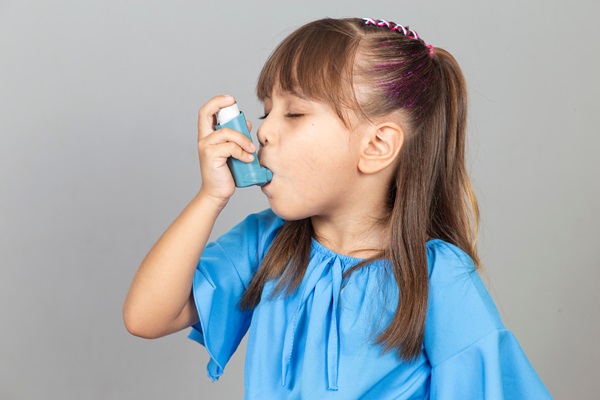
Are you wanting more information on pediatric asthma a chronic disease that can make it difficult for children who are sensitive to allergens to breathe? While an asthma diagnosis for your child can be scary to hear, know that it is one of the more common health conditions children are diagnosed with nowadays.
Even though there is currently no cure for pediatric asthma, it is possible for your child’s asthma to be well managed when working together with a medical professional. Just be sure to be prepared to answer all of the questions that will be asked during the initial appointment, as this is the time when the medical professional will want to gather as much information as they can to make a proper diagnosis.
What causes pediatric asthma?
Asthma in children occurs when a child breaths in some type of irritant that leads to an inflammation of their airway. Once the irritant is in the body, the body reacts to this irritant by narrowing the airway, which leads them to experience difficulty breathing. While asthma can be hereditary and therefore passed down from generation to generation, it can also be caused when a child breathes in certain allergens that their body happens to be very sensitive to.
According to Medscape, in most cases of asthma in children, multiple triggers or precipitants are recognized and the patterns of reactivity may change with age.
What are the symptoms of pediatric asthma?
The most common symptom associated with asthma is shortness of breath that leads to wheezing and coughing. Additional symptoms include feeling tired often, experiencing congestion in the chest and having difficulty sleeping through the night. The fact that it can be difficult to diagnose asthma in children makes it a good idea for parents to take notes on how often and how severe their child’s symptoms are. This will help a medical professional understand more about their asthma symptoms and allow them to offer the correct treatment option.
What are common treatments for pediatric asthma?
Some of the more common treatment options available for pediatric asthma include maintaining low humidity in the home, reducing any dust or pet dander in the home, learning about breathing techniques and taking recommended supplements. It is important for every child who has been diagnosed with pediatric asthma to be completely supported by their family and friends. Making an action plan for asthma attacks so everyone knows what to do during these situations is also a great idea.
Need any additional questions answered?
Now that you know what causes pediatric asthma, as well as some of the more common symptoms and treatment options available nowadays, do you have any other questions for us? The more you understand about asthma, the better you can help your child deal with their symptoms. Since there is no cure for asthma, it is suggested that you find a health professional that you and your child can feel comfortable with so you can form a long-term relationship with them.
Request an appointment here: https://www.tkzpediatrics.com or call TKZ Pediatrics at (225) 420-1549 for an appointment in our Zachary office.
Check out what others are saying about our services on Yelp: Pediatric Asthma in Zachary, LA.
Related Posts
Pediatric asthma can make it harder for children to breathe, particularly when their airways become swollen or narrow. The symptoms can be easy to miss, particularly when they come and go or look like a typical cold. If your child’s breathing issues keep coming back, you should call our office to speak with an experienced…
A pediatric doctor can help parents and guardians understand whether a child’s speech is developing as expected or whether extra support may help. Children typically start to speak in short sentences around age three. If a child takes a little longer, it does not necessarily mean anything is wrong. However, if the child is not…
Pediatric vaccines protect children against many serious diseases by helping the immune system recognize and fight harmful viruses and bacteria. Vaccinations begin during infancy and continue throughout childhood and adolescence to protect children as they grow. Pediatricians recommend following the immunization schedule, which remains one of the most effective ways to support lifelong health.A child's…
Choosing a Pediatrician helps families establish ongoing medical care for a child’s constantly changing health needs. From newborn visits to adolescent checkups, the pediatrician monitors growth, development, and health to provide effective preventive care. Finding a provider who matches the family’s priorities can make routine visits and unexpected concerns easier to manage. A thoughtful search…