Everything You Need To Know About Pediatric Fevers
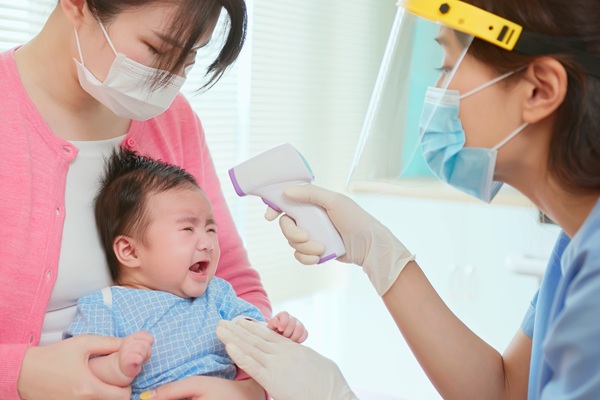
It is completely natural to worry when your child's forehead feels hot to the touch. That said, a pediatric fever is typically a sign that the body is doing exactly what it should to stay healthy. Most children can recover from the fever with supportive care from their caregivers and pediatrician.
What a pediatric fever means for a child
A fever is not an illness itself, but a symptom of one. Most viral infections cause a patient's temperature to rise for two or three days as the body works to clear the virus. While the exact temperature is important to know, how the child acts is often more telling. For example, a child who remains interested in playing, eating, and drinking and who can easily remain alert usually does not require an immediate medical evaluation and will likely recover safely on their own.
According to the American Academy of Pediatrics, the primary goal of treating a pediatric fever should be to make the child comfortable rather than simply lowering the temperature. This means giving them sufficient time to rest. Pediatricians also recommend the children take small sips of water or electrolyte drinks and eat light snacks, such as broth, to help them regain strength.
When to call a pediatrician about a pediatric fever
In most cases, children recover safely without the need for professional treatment. However, the family pediatrician should be the first point of contact for guidance on pediatric fevers or a same-day sick visit in the following scenarios:
- Persistent illness. A child continues to look sick, appearing listless or unusually fussy, even after their fever has lowered with medication.
- Worsening condition. The symptoms or the child's overall health seem to be declining rather than showing signs of improvement.
- The fever persists. If the fever lasts more than 24 hours in a child under 2 years old, or more than 3 days in those over 2 years old.
- Signs of secondary infection. The child is also experiencing an earache, a severe sore throat, or discomfort during urination.
If the pediatrician recommends bringing the child in for a visit, they will check the child's ears, throat, and lungs. They will also feel the abdomen for tenderness or obstructions. For children exposed to someone sick, the pediatrician might order a rapid test for the flu or strep throat to determine the exact cause of the illness. The goal of the sick visit is to ensure there is no serious underlying infection and to provide parents with a clear recovery plan.
When to access emergency care
Children typically recover quickly after a sick visit. However, parents should visit a hospital emergency room (ER) when a pediatric fever is accompanied by red flag symptoms, such as:
- Difficulty breathing
- A stiff neck
- Extreme lathargy
- A first-time seizure
- A purple, blood-red rash that does not fade when pressed
Also, if the child is under three months old and has a rectal temperature of 100.4 degrees Fahrenheit or higher, go to the ER. The sooner emergency care is delivered, the faster the child can recover. The pediatrician can then provide follow-up care for better long-term health outcomes.
Contact a Zachary pediatrician
Pediatric fever is a common part of childhood that indicates the immune system is active and functioning. Most fevers resolve on their own with rest, but a professional evaluation can provide the reassurance you need to proceed. Parents can gain greater peace of mind by consulting a pediatrician early in the course of the fever. For more information, contact TKZ Pediatrics today.
Request an appointment here: https://www.tkzpediatrics.com or call TKZ Pediatrics at (225) 420-1549 for an appointment in our Zachary office.
Check out what others are saying about our services on Yelp: Read our Yelp reviews.
Related Posts
A pediatrician helps turn confusing nutrition advice into routines that support healthy growth, steady energy, and better sleep. Kids' appetites change quickly, and busy schedules may lead to grazing, skipping breakfast, or reaching for sugary drinks that crowd out more nourishing foods. Fortunately, guidance that fits a child's age, temperament, and health history can make…
Regular checkups with a doctor for children, or a pediatrician, offer far more than a routine examination. These visits provide ongoing education, reassurance, and customized guidance at every stage of life. With a reliable schedule of wellness checks and careful monitoring of development milestones, young patients can receive the support they need to thrive from…
Same-day acute pediatric care provides families with fast access to medical attention when sudden illnesses or injuries arise. Rather than waiting for an available appointment or visiting the emergency room, parents can bring their child to a pediatrician who offers same-day care for non-life-threatening concerns. In this way, children can conveniently access effective treatment that…
Pediatric asthma affects breathing, sleep, school performance, and family routines. Early diagnosis and consistent management improve control and reduce the need for urgent visits. A pediatrician tailors therapy to symptoms, triggers, and growth patterns. With the right plan, pediatric asthma can remain manageable, allowing kids to stay active.Asthma symptoms often flare when children encounter allergens,…