Everything You Need To Know About Pediatric Fevers
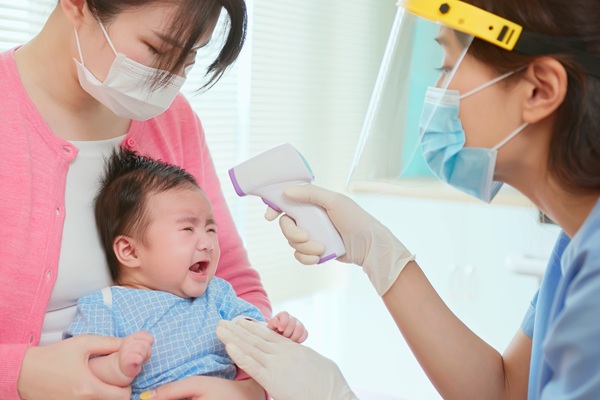
It is completely natural to worry when your child's forehead feels hot to the touch. That said, a pediatric fever is typically a sign that the body is doing exactly what it should to stay healthy. Most children can recover from the fever with supportive care from their caregivers and pediatrician.
What a pediatric fever means for a child
A fever is not an illness itself, but a symptom of one. Most viral infections cause a patient's temperature to rise for two or three days as the body works to clear the virus. While the exact temperature is important to know, how the child acts is often more telling. For example, a child who remains interested in playing, eating, and drinking and who can easily remain alert usually does not require an immediate medical evaluation and will likely recover safely on their own.
According to the American Academy of Pediatrics, the primary goal of treating a pediatric fever should be to make the child comfortable rather than simply lowering the temperature. This means giving them sufficient time to rest. Pediatricians also recommend the children take small sips of water or electrolyte drinks and eat light snacks, such as broth, to help them regain strength.
When to call a pediatrician about a pediatric fever
In most cases, children recover safely without the need for professional treatment. However, the family pediatrician should be the first point of contact for guidance on pediatric fevers or a same-day sick visit in the following scenarios:
- Persistent illness. A child continues to look sick, appearing listless or unusually fussy, even after their fever has lowered with medication.
- Worsening condition. The symptoms or the child's overall health seem to be declining rather than showing signs of improvement.
- The fever persists. If the fever lasts more than 24 hours in a child under 2 years old, or more than 3 days in those over 2 years old.
- Signs of secondary infection. The child is also experiencing an earache, a severe sore throat, or discomfort during urination.
If the pediatrician recommends bringing the child in for a visit, they will check the child's ears, throat, and lungs. They will also feel the abdomen for tenderness or obstructions. For children exposed to someone sick, the pediatrician might order a rapid test for the flu or strep throat to determine the exact cause of the illness. The goal of the sick visit is to ensure there is no serious underlying infection and to provide parents with a clear recovery plan.
When to access emergency care
Children typically recover quickly after a sick visit. However, parents should visit a hospital emergency room (ER) when a pediatric fever is accompanied by red flag symptoms, such as:
- Difficulty breathing
- A stiff neck
- Extreme lathargy
- A first-time seizure
- A purple, blood-red rash that does not fade when pressed
Also, if the child is under three months old and has a rectal temperature of 100.4 degrees Fahrenheit or higher, go to the ER. The sooner emergency care is delivered, the faster the child can recover. The pediatrician can then provide follow-up care for better long-term health outcomes.
Contact a Zachary pediatrician
Pediatric fever is a common part of childhood that indicates the immune system is active and functioning. Most fevers resolve on their own with rest, but a professional evaluation can provide the reassurance you need to proceed. Parents can gain greater peace of mind by consulting a pediatrician early in the course of the fever. For more information, contact TKZ Pediatrics today.
Request an appointment here: https://www.tkzpediatrics.com or call TKZ Pediatrics at (225) 420-1549 for an appointment in our Zachary office.
Check out what others are saying about our services on Yelp: Read our Yelp reviews.
Related Posts
Pediatric vaccines protect children against many serious diseases by helping the immune system recognize and fight harmful viruses and bacteria. Vaccinations begin during infancy and continue throughout childhood and adolescence to protect children as they grow. Pediatricians recommend following the immunization schedule, which remains one of the most effective ways to support lifelong health.A child's…
Choosing a Pediatrician helps families establish ongoing medical care for a child’s constantly changing health needs. From newborn visits to adolescent checkups, the pediatrician monitors growth, development, and health to provide effective preventive care. Finding a provider who matches the family’s priorities can make routine visits and unexpected concerns easier to manage. A thoughtful search…
Discovering that a child requires stitches after an injury can cause anxiety for any parent. Fortunately, understanding suture removal for kids can help families feel prepared for the follow-up appointment. Knowing what to expect during this brief visit helps parents reassure their children and support proper healing. Here are three tips to ensure a smooth…
A children's doctor, or pediatrician, often suggests a blood test to get a clearer picture of what is happening inside a little one's body during a routine checkup. While most kids do not exactly line up for a needle poke, these tests are quick and provide a wealth of useful information that a physical exam…