What To Know Ahead of Suture Removal for Kids
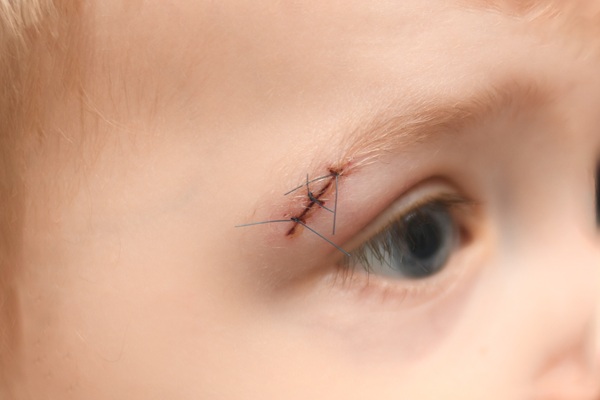
Suture removal for kids is an important part of the healing process after an injury that required stitches. Parents often wonder what to expect during this appointment, and understanding the process can ease concerns while ensuring the best care for the child. Since each case is different, the timing and approach will depend on the location of the wound, the child’s overall health, and the type of sutures used.
Why suture removal matters
Stitches play a vital role in holding tissue together as the body heals. Once the skin has closed, leaving sutures in place too long can cause irritation, infection, or scarring. Suture removal for kids ensures the wound continues to heal properly without unnecessary complications. A pediatrician monitors healing carefully and removes the sutures at the appropriate time to support both function and appearance.
Timing of removal
The timing for suture removal for kids depends on the wound’s location and severity. For example, stitches on the face may be removed in as little as five days, while stitches on joints or deeper wounds may remain longer. Pediatricians balance the need for secure healing with the goal of minimizing scarring. A follow-up visit allows the doctor to evaluate the wound and decide the safest time for removal.
What to expect during the visit
Parents and children often feel more at ease when they know what will happen during suture removal. The process is straightforward and usually quick:
- The area around the sutures is cleaned to reduce the risk of infection.
- The pediatrician carefully snips and removes the stitches with sterile instruments.
- The pediatrician applies a topical ointment or adhesive strip to support healing.
Children may feel slight pressure or a mild pulling sensation, but the procedure is typically well tolerated. Reassurance and a calm environment help make the experience less stressful.
Aftercare following suture removal
Proper aftercare is essential to complete healing. The pediatrician may recommend keeping the area clean and dry for a short period, avoiding strenuous activity that could reopen the wound, and applying sunscreen to protect sensitive new skin. Watching for signs of infection, such as redness, swelling, or discharge, is also important. Most wounds continue to strengthen after we remove the sutures, and children can often return to normal activities quickly.
Supporting the healing process
Parents can support recovery by following all aftercare instructions and attending follow-up appointments as recommended. Healthy habits, including good nutrition and proper hydration, can also promote faster healing. In some cases, we may suggest silicone gels or other treatments to minimize scarring, especially if the wound is on a visible area such as the face.
Suture removal for kids is a routine but essential part of recovery. With guidance from a pediatrician, families can feel confident that the process will be handled safely and comfortably. By understanding what to expect before, during, and after the procedure, parents can help ensure their child’s wound heals properly while protecting long-term health and appearance. For more information or to schedule an appointment, call our office at (225) 420-1549.
To schedule a consultation, request an appointment on our website at https://www.tkzpediatrics.com or call TKZ Pediatrics at (225) 420-1549 for an appointment in our Zachary office.
Check out what others are saying about our services on Yelp: Suture Removal For Kids in Zachary, LA.
Related Posts
Pediatric vaccines protect children against many serious diseases by helping the immune system recognize and fight harmful viruses and bacteria. Vaccinations begin during infancy and continue throughout childhood and adolescence to protect children as they grow. Pediatricians recommend following the immunization schedule, which remains one of the most effective ways to support lifelong health.A child's…
Choosing a Pediatrician helps families establish ongoing medical care for a child’s constantly changing health needs. From newborn visits to adolescent checkups, the pediatrician monitors growth, development, and health to provide effective preventive care. Finding a provider who matches the family’s priorities can make routine visits and unexpected concerns easier to manage. A thoughtful search…
Discovering that a child requires stitches after an injury can cause anxiety for any parent. Fortunately, understanding suture removal for kids can help families feel prepared for the follow-up appointment. Knowing what to expect during this brief visit helps parents reassure their children and support proper healing. Here are three tips to ensure a smooth…
A children's doctor, or pediatrician, often suggests a blood test to get a clearer picture of what is happening inside a little one's body during a routine checkup. While most kids do not exactly line up for a needle poke, these tests are quick and provide a wealth of useful information that a physical exam…